
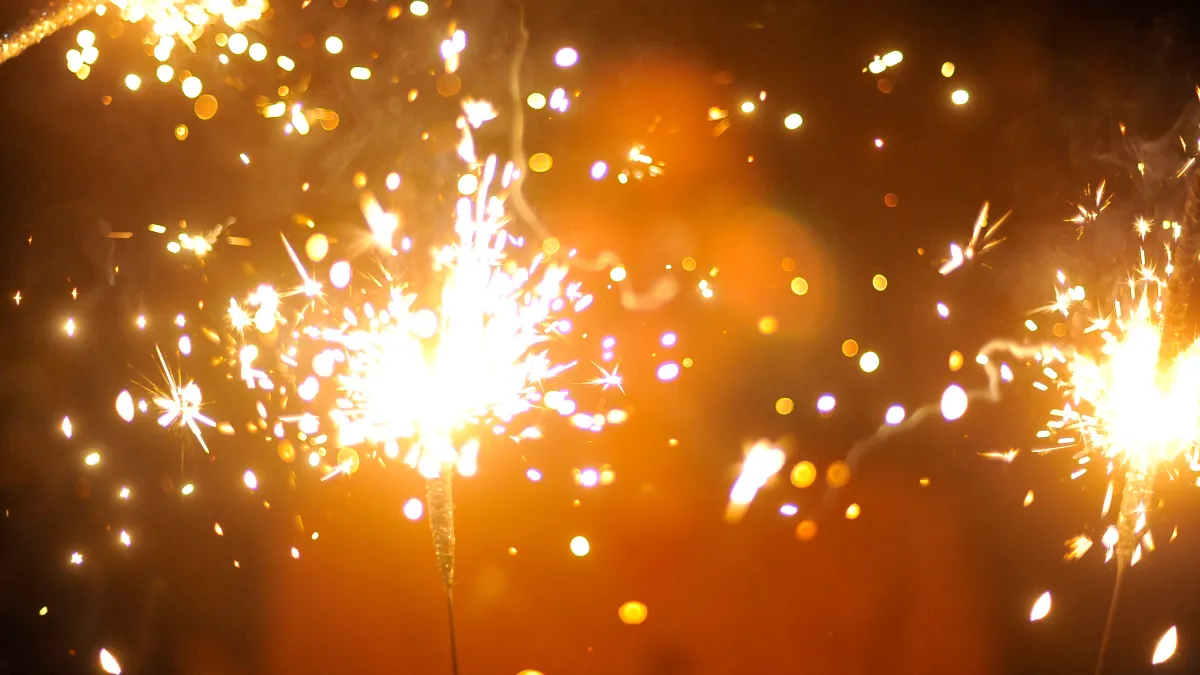
Before Floridians rush to set off fireworks for America’s 250th birthday, there are a few rules to be aware of to ensure that you have a fun and safe Fourth of July.
Read more Sports
Residents can light consumer fireworks in the Sunshine State on certain holidays, including: New Year’s Day (Jan. 1), Independence Day (July 4) and New Year’s Eve (Dec. 31), according to Florida Statute 791.08. Using them on other days can result in fines or penalties.
Lighting up fireworks can be fun, but it comes with serious safety risks. Check out the rules below before you ignite the night.
1. Use consumer fireworks, and leave the rest to the professionals.
Consumer fireworks include the following:
- Sparklers
- Fountains and ground spinners
- Party poppers, snakes and glow worms
The following fireworks are illegal if you’re not a professional and not safe for home use:
- Explosive devices, such as firecrackers and cherry bombs
- Airborne fireworks like rockets, aerial shells and mortars
- Loud devices like salutes and report shells
2. Purchase your fireworks legally.
Ensure you’re purchasing fireworks from licensed sellers and avoid homemade or illegal ones.
3. Follow your local laws.
This includes your city or county, which may have stricter rules regarding specific times for fireworks use, zones, or permit requirements and HOA limitations.
Read more Alex Ovechkin returning for a 22nd NHL season after re-signing with the Capitals
4. Safety first.
According to the Florida Sheriff’s Association, keep the following tips in mind while using fireworks:
- One person – who is sober, responsible and knowledgable – should handle lighting the fireworks.
- Place each firework on a flat, stable surface and never hold them in your hand.
- Keep a safe distance when lighting fireworks; never stand over them.
- Light only one firework at a time and move away quickly.
- Use outdoors only, away from buildings, dry grass and flammable materials.
- Avoid wooded areas, tree canopies or dense vegetation.
- Keep safety tools nearby: bucket of water, hose or fire extinguisher.
- Never relight a dud; wait 20 minutes and soak in water.
- Wear protective gear such as safety glasses and gloves.
- Avoid alcohol and drugs while using fireworks.
5. Kids need extra supervision.
- Designate a viewing area, and keep children several yards away from the fireworks.
- Children should never ignite or hold fireworks.
- Only give sparklers to older children under supervision, and consider LED wands or glow sticks for younger kids.
- Assign an adult responsible for all children.
- Use hearing protection and maintain distance from sparks.
- Use cones or chairs to create “no-go zones.”
- Remind children not to touch used fireworks — they may still be hot or malfunction.
- Light one firework at a time, stay focused and avoid alcohol. You should always use caution when lighting fireworks.
6. Dispose of fireworks properly.
- Soak used fireworks in water for at least 15-20 minutes.
- Use a safe disposal container and place it away from homes, vehicles, or other combustible materials.
- Check for duds or unexploded fireworks. If a firework fails to ignite, soak it thoroughly before disposal. Never try to relight a dud.
- Clean up debris. Remove all firework remnants from the ground, including paper, cardboard and fuse fragments, to prevent accidental fires or injuries.
- Keep children and pets away from debris.
- Report illegal or unsafe fireworks if found.
7. Keep an emergency plan in place.
Call 911 for emergencies, including uncontrollable fires, serious injuries or burns, and fireworks malfunctions.
Call your local sheriff’s department or non-emergency line for noise or fireworks complaints and questions about local fireworks ordinances.
Visit an emergency room or urgent care for serious burns, hand or eye injuries, and symptoms of hearing damage and smoke inhalation.
Read more NBA to test new free-throw rule during 2026 summer league games