
The Cuban regime responded Sunday to an Axios exclusive report which, citing confidential intelligence shared with the digital outlet, claims Cuba has acquired hundreds of military drones and is weighing possible attack scenarios against targets in the United States, including Key West.
Read more How many NBA players have to back-to-back MVPs? SGA joins exclusive club
Cuban Foreign Minister Bruno Rodríguez said Sunday afternoon that “certain media outlets are playing along, peddling slander and leaking insinuations from the U.S. government itself.”
In the same post, he insisted that “Cuba neither threatens nor wants war.” He added that “without any legitimate pretext, the U.S. government is building, day after day, a fraudulent case to justify the ruthless economic war against the Cuban people and an eventual military aggression.”
Rodríguez also reiterated that the island has the right to exercise “the legitimate self-defense recognized by the U.N. Charter.”
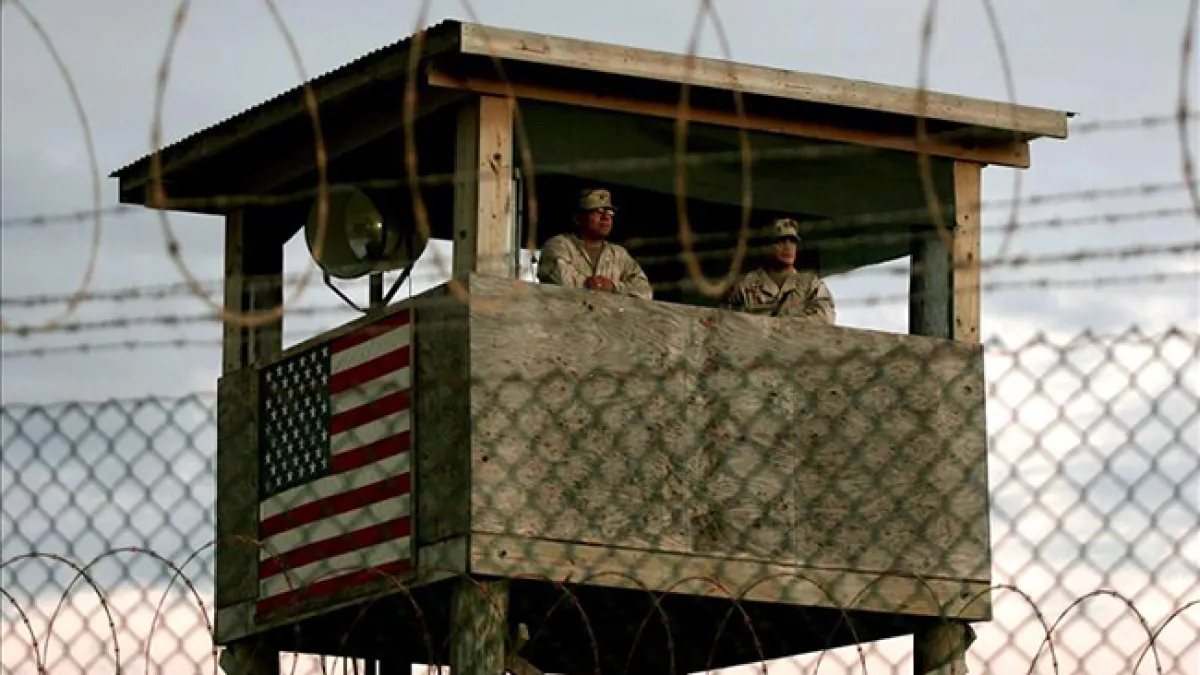
According to Axios, the Caribbean island would be discussing the possibility of attacks against the U.S. military base at Guantánamo Bay, military facilities and possibly Key West.
Shortly after the report was published, the Cuban Embassy in the United States shared a message on its X account.
“Like any country, Cuba has the right to defend itself against external aggressions. That is called legitimate self-defense and it is protected by International Law and the Charter of the United Nations,” they wrote.
The message added that “those in the United States who seek the submission and, in fact, the destruction of the Cuban nation through military aggression and war, do not waste a single moment manufacturing pretexts, creating and spreading falsehoods.”
For his part, Cuba’s deputy foreign minister, Carlos Fernández de Cossío, said that “the anti-Cuba effort aimed at justifying, without any excuse whatsoever, a military aggression against Cuba is intensifying by the hour, with increasingly implausible accusations.”
“The United States is the aggressor country. Cuba is the country under attack,” he added on X.
Read more Thunder guard Shai Gilgeous-Alexander named NBA MVP for second straight year
Meanwhile, Florida Rep. Mario Díaz-Balart shared the Axios story and reacted by writing: “We’ve seen the threat drones pose in the Middle East. Now they are 90 miles from our shores and near critical infrastructure. It’s clear the Cuban regime poses a threat to national security.”
Rep. María Elvira Salazar said that “the world has already seen what hostile regimes can do with drones, and those capabilities in the hands of the Cuban regime, just 90 miles from Florida, should concern every American.”
“A dictatorship aligned with America’s adversaries operating so close to our shores isn’t just a regional issue. It’s a direct threat to our national security,” she added.
Florida Republican Rep. Carlos Giménez also responded to the reports, saying the “regime in Cuba threatens” U.S. security.
Amid the military tensions, retired Navy commander Phil Ehr said that “as a member of the Armed Services Committee, Carlos Giménez should have been addressing this drone threat many months ago. He hasn’t. Hegseth should have already deployed anti-drone capabilities to the Keys.”
Ehr, who is also running for Florida’s 28th Congressional District, said: “We can’t allow Key West residents to be left defenseless, nor the military assets at JIATF South, NAS Key West, or the ‘Fat Albert’ aerostats.”
As for security in the Keys, the Monroe County Sheriff’s Office said Sunday it has not received any communication from the federal government regarding the reported information.
“I’m monitoring the situation, but I have not been contacted by any government agency and I don’t believe there’s cause for concern,” Sheriff Rick Ramsay said. “I’m sure I’ll be notified if anything changes and I will alert the public,” he added.
It is important to note that NBC6 has not independently verified the confidential reports referenced by Axios. This story summarizes reactions from key figures to the publication.
Read more US-Mexico border wall construction is desecrating sacred sites, Indigenous leaders say