
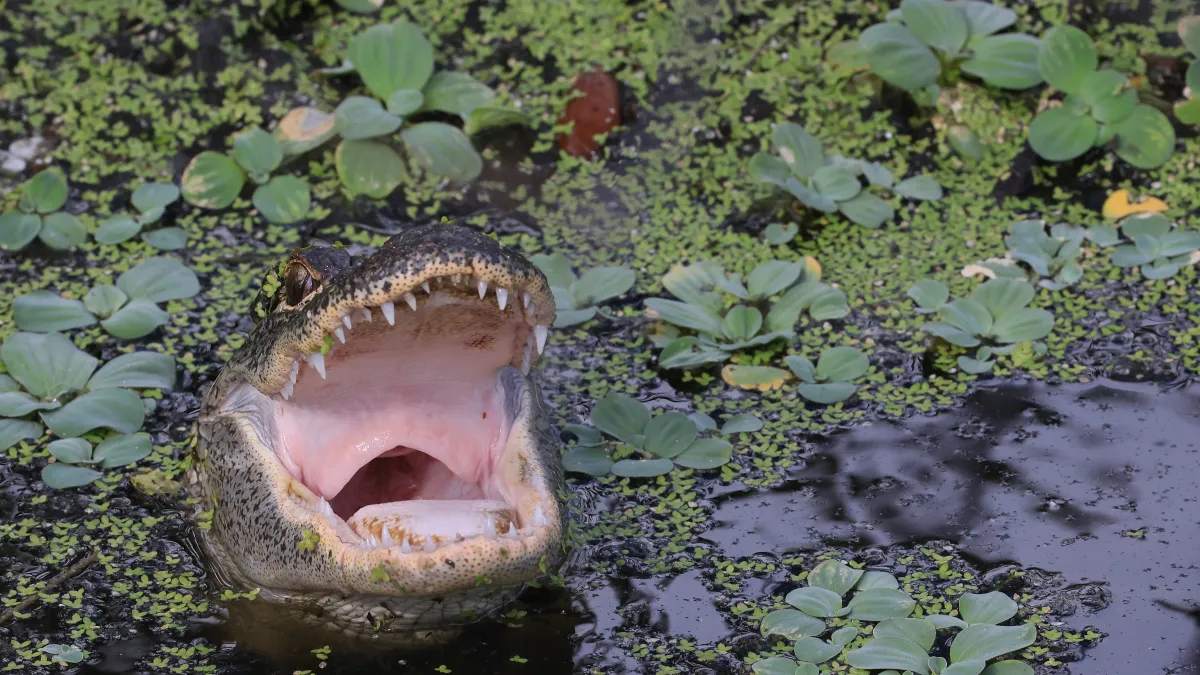
Oranges, sunshine and beaches: Florida is known for many things, including alligators, and lately, alligator attacks have been catching headlines.
Read more ‘Operation Southern Slow Down’ cracks down on speeding drivers in Florida
On June 21, a 19-year-old man was attacked by an alligator while snorkeling in Rainbow River.
Seven days later, on June 28, a woman lost her life after being attacked by a gator near Orlando while going for a hike with her boyfriend.
On July 3, a man was attacked while fishing in his backyard.
Though alligator attacks are rare, there seems to be more happening as the days get hotter. Here’s why.
In 2025, there was a total of 13 alligator attacks, two of them being fatal, according to the
According to a statement from the Florida Wildlife Conservation Commission, the presence of alligators becomes more noticeable during the summer as the reptiles become more active due to rising temperatures.
They are cold-blooded animals, meaning that they thrive in warmer temperatures, and the Florida summer heat is their ideal environment.
Read more Former March Madness standout from South Florida leaves basketball for ministry
When the Sunshine State starts to warm up in the spring, that is when the courting season begins, and then mating season.
Female alligators would then build a nest and lay eggs in late June or Early July.
Right now, they are protecting their nests, and some people believe that this might lead to more alligator aggression when they feel like someone or something poses a threat. But FWC said alligator mating activities are rarely associated with attacks.
Also, Florida is currently experiencing droughts, which “lessens their habitat availability.”
With the warm weather and drought conditions, this makes alligators more active and visible to people near Florida’s bodies of water.
The FWC encourages people to take precautionary measures if they are near bodies of water.
Read more 3 hurt in fire on Lincoln Road that started underground
- Keep a safe distance if you see an alligator. If someone is concerned about an alligator, they should call FWC’s toll-free Nuisance Alligator Hotline at 866-FWC-GATOR (866-392-4286), and they will dispatch a contracted nuisance alligator trapper to resolve the situation.
- Keep pets on a leash and away from the water’s edge. Pets often resemble alligators’ natural prey.
- Swim only in designated swimming areas during daylight hours and without your pet. Alligators are most active between dusk and dawn.
- Never feed an alligator. It’s illegal and dangerous. When fed, alligators can lose their natural wariness and instead learn to associate people with the availability of food. This can lead to an alligator becoming a nuisance and needing to be removed from the wild.
The FWC has more information about living with gators here.