
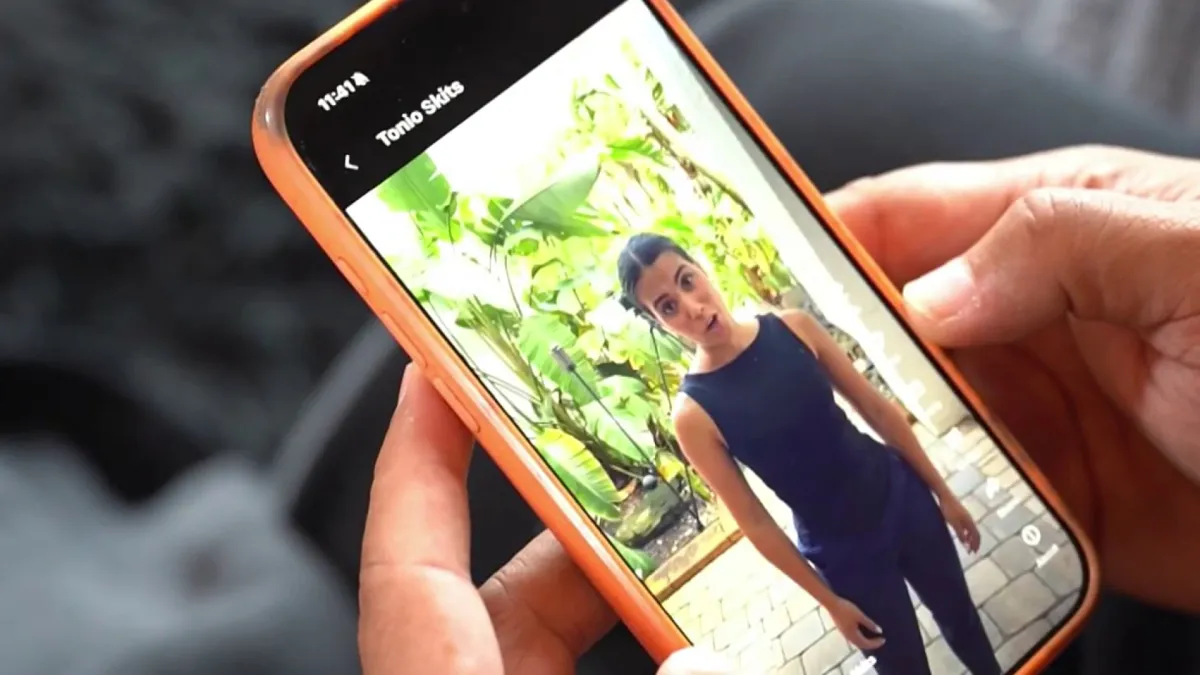
Do you remember scrolling through Vine back in 2014, watching quick, funny clips that somehow said everything in just a few seconds? That format helped shape what short-form video looks like today. Now, nearly a decade later, it is making a comeback with a new name and a bold new mission.
Read more U.S. Coast Guard urges boaters to prepare for the busy Memorial Day weekend
The app is now called Divine, and while it keeps the same six-second concept, its biggest difference is its focus on authenticity. In a digital space now dominated by filters, heavy editing and artificial intelligence, Divine is doing the opposite by banning AI-generated videos altogether.
The idea is simple. Strip content back to its basics and let creativity do the work.
“This is what Vine was about,” said content creator Antonio Ramos, also known as TonioSkits. “It reminds you how easy it is to put content together and put it out there. But more importantly, I think videos are going to be way more relatable because we only have six seconds to make you laugh or tell a story.”
For creators who have spent years adapting to constantly evolving algorithms and editing trends, the appeal is immediate. Instead of worrying about production quality, the focus shifts back to the idea itself.
“I feel like some weight has been lifted off my shoulders,” Ramos explained. “I am always trying to figure out what is the newest edit or how to make things look better. If this takes us back to the basics where I can just shoot an idea and post it, I think it is a game changer.”
The platform is intentionally designed to feel familiar and simple. Unlike many modern apps filled with multiple tabs and tools, Divine leans into a more minimal experience that is easy to navigate.
“It is very similar to how the app was laid out before,” said creator Ashley Alfery. “It is really simple. There are not all these buttons or tabs. It is very user friendly.”
That simplicity is not accidental. According to founder Evan Henshaw Plath, the app was built to ensure that what users see is real. Every video must be recorded within the platform, and the system verifies that it was shot directly from the user’s phone.
Read more Influencer ‘Baby Alien’ also avoids jail in alleged gator shooting involving Clavicular
“We are using special technology in the phone that verifies that it was shot on your device,” Henshaw Plath explained. “You can create clips and use editing tools, but the only way we can ensure there is no AI is by controlling the entire process inside the app.”
For many creators, that shift is refreshing in a time when audiences are increasingly questioning what is real online.
“It feels authentic, raw, just in the moment,” Alfery said. “It takes a lot of pressure off of you.”
Right now, Divine is still in its testing phase. Users who download the app will need to join a waitlist unless they have an invite code from existing creators. Even so, early interest is growing quickly.
“We have between 40 and 50,000 users a day using the app,” said Henshaw Plath. “And between 500 and 1,000 creators are posting new videos every day.”
For longtime Vine users, the experience is also deeply nostalgic. The platform is offering some users the chance to recover their original accounts and videos.
“They retrieved a lot of my old videos,” Ramos said. “It is nostalgic. That is the best way to describe it.”
Anyone interested in restoring an old Vine account can contact the Divine team directly at [email protected] while the platform continues to expand access.
Read more What is Brothers to the Rescue and what happened to their planes?