
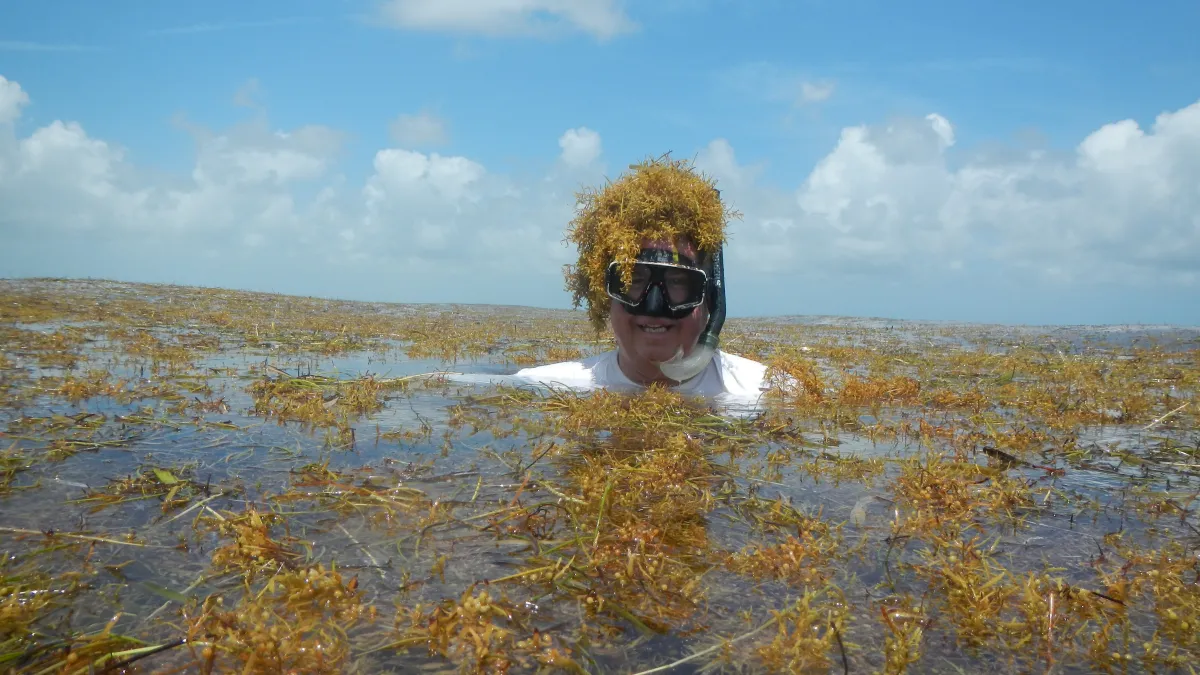
South Florida beaches are once again dealing with large blooms of sargassum seaweed, and scientists say the 2026 season could become one of the worst on record.
Read more YouTube taught a Japanese teen how to kick field goals. Now he’s in the NFL.
Large amounts of sargassum have already been detected across parts of the Atlantic and Caribbean earlier than in previous years.
The large blooms are attributed to warmer ocean temperatures and more nutrients in the water.
Trade winds and ocean currents are pushing the floating brown algae from the Atlantic Sargassum Belt through the Caribbean and into our local beaches.
Read more Election denier Tina Peters set for release after Colorado governor commutes sentence
The brown seaweed has already started piling up along beaches in Miami-Dade and Broward counties, creating strong odors and frustrating beachgoers heading into the busy summer season.
Once sargassum washes ashore and begins to decay, it releases hydrogen sulfide gas, often described as smelling like rotten eggs.
While sargassum plays an important role in the open ocean by providing habitat for marine life, heavy beach accumulations can hurt tourism, impact marine ecosystems, and cost coastal communities millions of dollars in cleanup efforts each year.
Read more Trump’s flavored vape push sparks backlash from some MAHA influencers and administration officials